

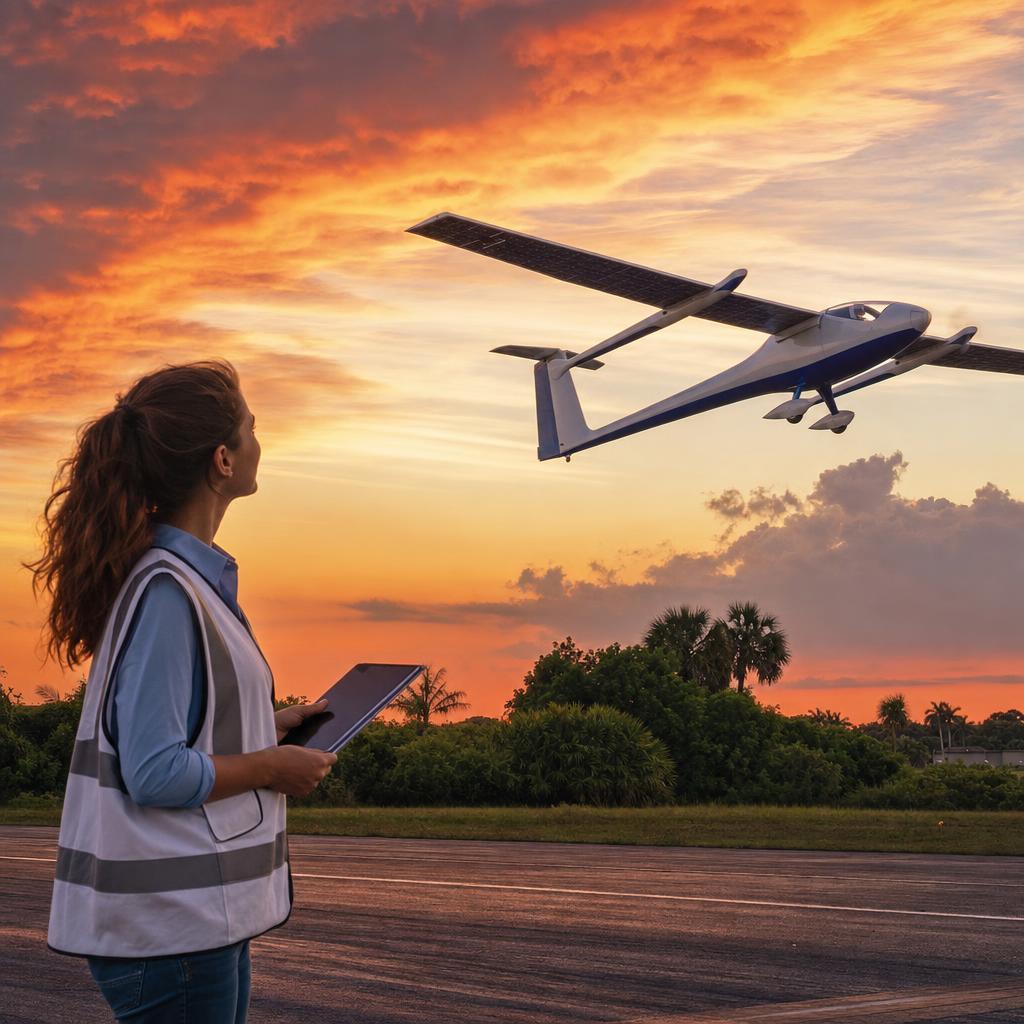
Electric Plane Powered by Solid-State Batteries Makes History
A landmark moment in the future of aviation was marked in Florida. On June 5, 2026, the nonprofit organization Helios Horizon accomplished what they call the first human-piloted flight of an electric aircraft powered by solid-state batteries — a technology often regarded as the “holy grail” of electric aviation.
The chief test pilot and founder, Miguel Iturmendi, carried out a series of preliminary test flights at the Zephyrhills Municipal Airport in central Florida. He was at the helm of the team’s modified Pipistrel Taurus Electro motor-glider. These flights were intended to verify weight and balance after the new battery pack installation, rather than testing range or endurance. Yet, this did not lessen the historical significance of this achievement.
The new solid-state cells deliver an impressive 410 Wh/kg energy density, compared to the 260 Wh/kg of the previously used lithium-ion pack — a leap of 60%. Solid-state batteries replace the liquid electrolyte in traditional cells with solid materials. This makes them more resistant to impact, puncture, and heat, significantly reducing the risk of fire. These batteries can also be charged from nearly empty to 80% in under 15 minutes.
Helios Horizon already holds the world altitude record for an electric aircraft in its weight class. The team is now aiming for stratospheric flights above 40,000 feet — higher than most commercial airliners — on a single charge. They plan to continue optimizing the propulsion system in preparation for high-altitude test campaigns later this fall.
Source: New Atlas – World’s First Crewed Solid-State Flight Electrifies Aviation’s Future