

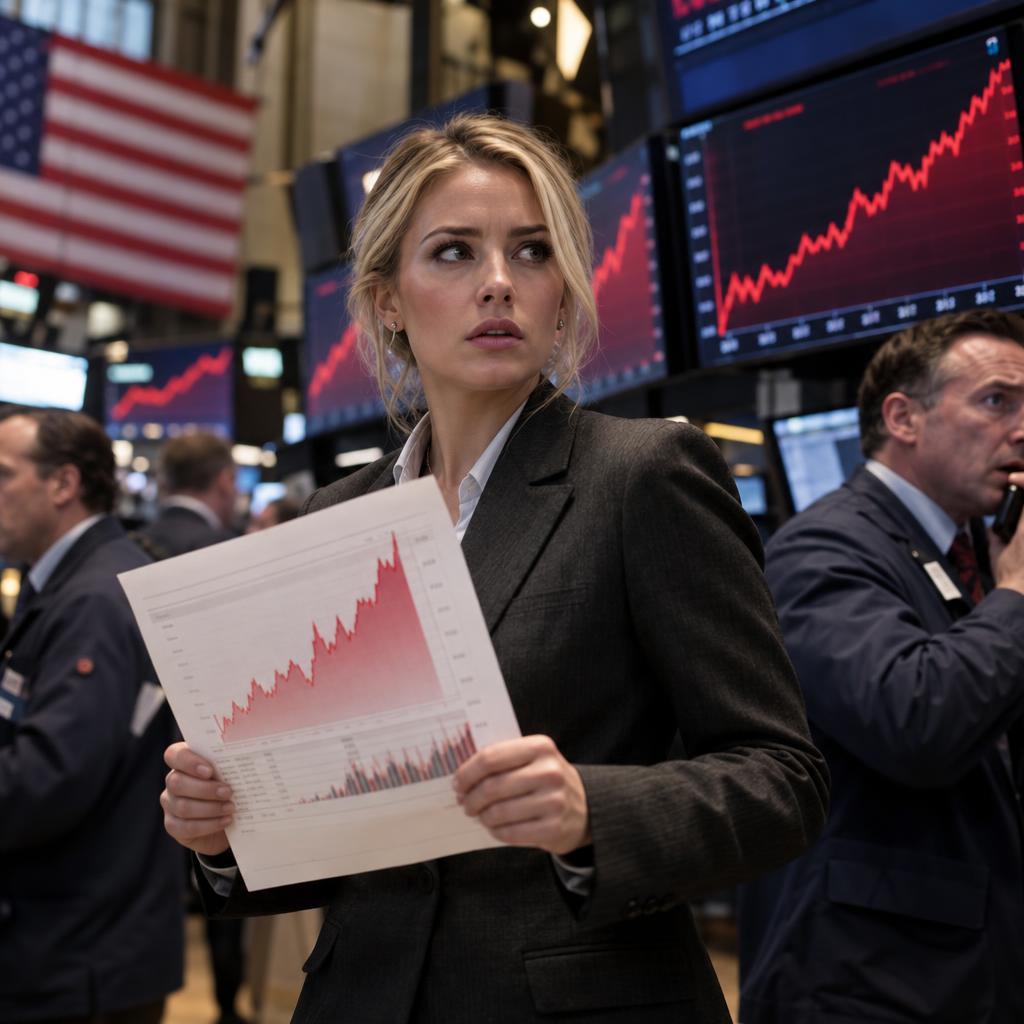
Unprecedented Selloff in US Bond Market: 30-Year Treasury Yield Soars to a 2004 High of 5.44%
The U.S. bond market is currently witnessing one of the most dramatic selloffs in recent history. The yield on the 30-year Treasury bond soared to 5.44% on Thursday, a peak not reached since 2004. This has sent shockwaves through Wall Street and sparked concerns over potential further rate hikes by the Federal Reserve.
The 10-year Treasury note yield also experienced a significant increase, reaching a high of 5.21%, a level unseen since July 2007. In addition, Japan’s 10-year bond yield touched its highest point since August 1996. European bonds, including UK Gilts and German Bunds, also experienced a sharp selloff, indicating that the bond market turmoil is a global phenomenon.
The surge can be attributed to a combination of factors. These include rising crude oil prices due to ongoing U.S.-Iran conflict tensions, a robust September S&P Global PMI report indicating U.S. private-sector activity expansion at its fastest pace in over five years, and a weak $70 billion auction of five-year Treasury notes. Collectively, these factors have led to increased speculation that the Federal Reserve will raise interest rates again. Currently, the markets are pricing in nearly a 64% chance of a 25-basis-point hike in October and over a 48% probability of another increase in December.
“People are running out of superlatives for the yield on the 30-year bond,” said Ed Al-Hussainy, a portfolio manager at Columbia Threadneedle. The escalating yields imply higher borrowing costs for consumers, businesses, and even the U.S. government, adding another layer of complexity to an already turbulent macroeconomic landscape.
Source: CNBC – 30-year Treasury yield hits highest level since 2004 as bond market rout continues