

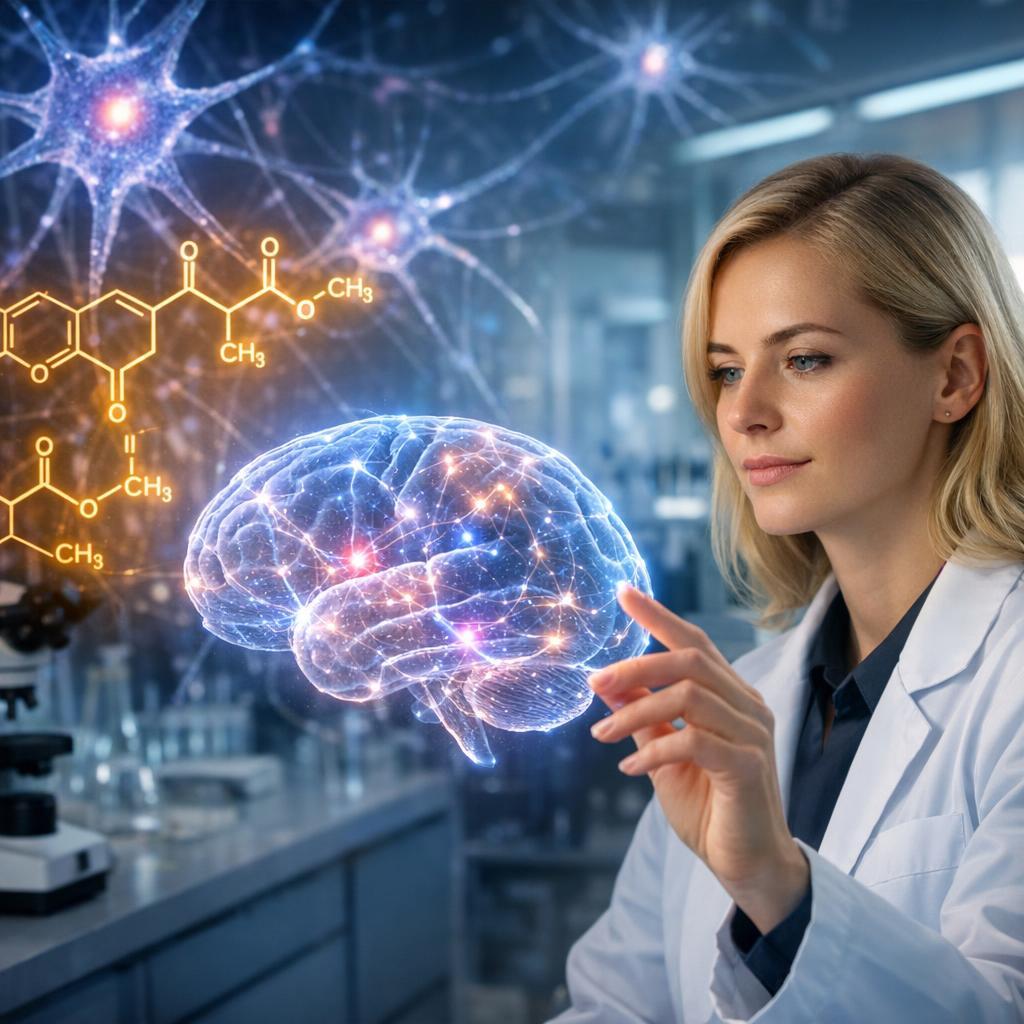
Revolutionary ‘Super Vitamin K’ Developed by Japanese Scientists for Brain Cell Regeneration
In a groundbreaking discovery announced on May 27, 2026, researchers from Japan’s Shibaura Institute of Technology have developed powerful new vitamin K-based compounds. These could revolutionize treatment for neurodegenerative diseases like Alzheimer’s and Parkinson’s.
The breakthrough centers on enhanced vitamin K molecules. These were created by the researchers by combining natural vitamin K with components related to vitamin A (retinoic acid). These innovative compounds demonstrated approximately three times greater potency in converting neural stem cells into functioning neurons compared to natural vitamin K alone.
What makes this discovery particularly exciting is that the new compounds can effectively cross the blood-brain barrier and remain stable in the body. This addresses one of the biggest challenges in treating brain diseases. Lead researcher Associate Professor Yoshihisa Hirota explained that the team synthesized 12 different vitamin K hybrid compounds. They then identified those with the strongest neuronal differentiation-inducing activities.
While current Alzheimer’s therapies like lecanemab and donanemab can slow cognitive decline in some patients, they cannot restore lost memories or rebuild damaged brain tissue. This new approach aims to help the brain replace neurons that have been lost. It represents a potential paradigm shift from symptom management to actual regeneration. The research, published in ACS Chemical Neuroscience, opens the door to developing effective regenerative therapeutics for millions of people worldwide suffering from neurodegenerative diseases.
Source: ScienceDaily