

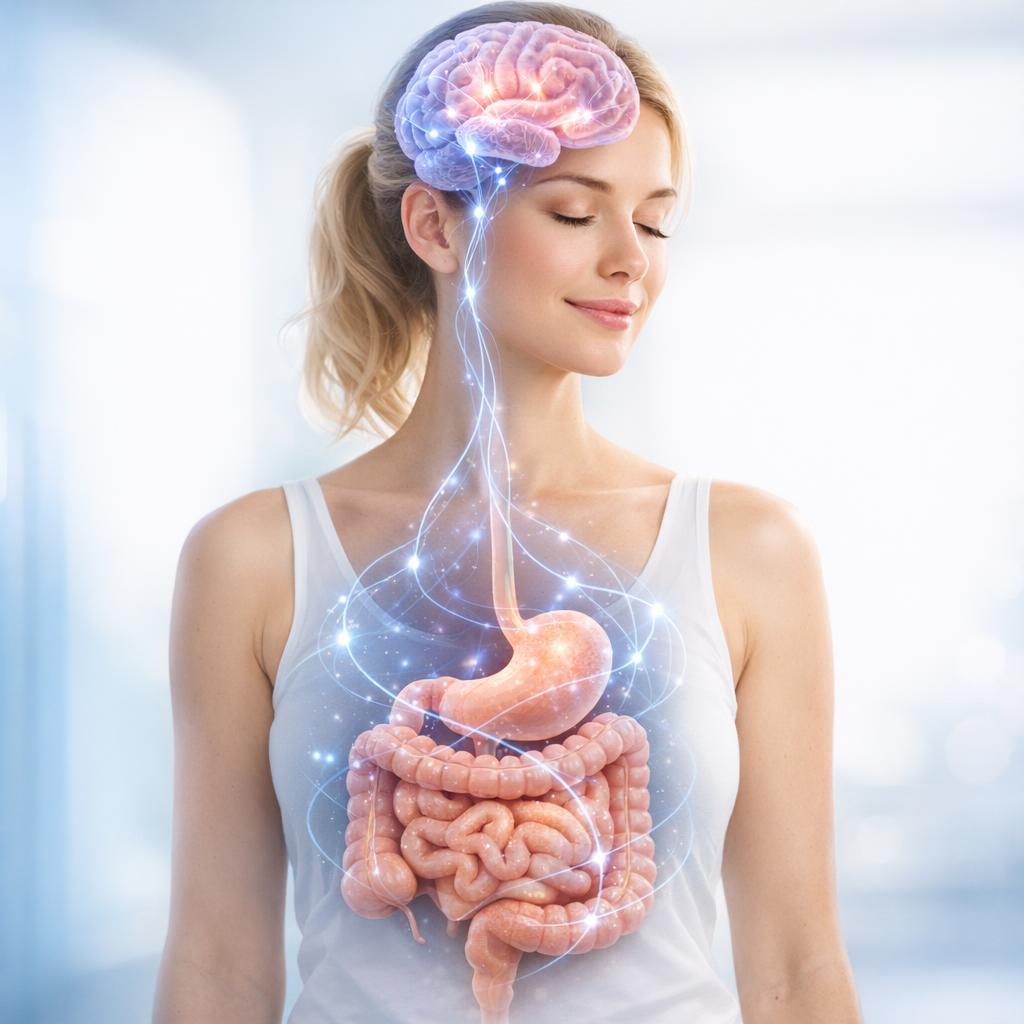
Harvard Researchers Discover Gut Bacteria’s Role in Depression Risk
Researchers from Harvard Medical School have uncovered a biological mechanism that could elucidate the role a common gut bacterium plays in depression. This discovery opens up new avenues for diagnosing and treating this mental health condition.
The study, recently published in ScienceDaily, demonstrates that the gut bacterium Morganella morganii interacts with a prevalent environmental pollutant, diethanolamine (DEA). This interaction results in the production of abnormal molecules that incite inflammation in the body. This inflammatory response has a strong connection to major depressive disorder.
The research team found that M. morganii generates abnormal phospholipids when it incorporates DEA into its cellular structure. These molecules trigger immune receptors TLR1 and TLR2, leading to the release of interleukin-6 (IL-6). IL-6 is a pro-inflammatory protein previously linked to depression, type 2 diabetes, and inflammatory bowel disease.
“This study takes it one step further, toward a real understanding of the molecular mechanisms,” the researchers explained.
The findings suggest that this environmental contaminant could potentially serve as a biomarker for depression risk. They also bolster the argument that major depressive disorder is linked to autoimmune diseases.
The breakthrough discovery paves the way for potential new treatments that target the immune system rather than just the brain. This represents a significant shift in the future prevention and treatment of depression.
Source: ScienceDaily