

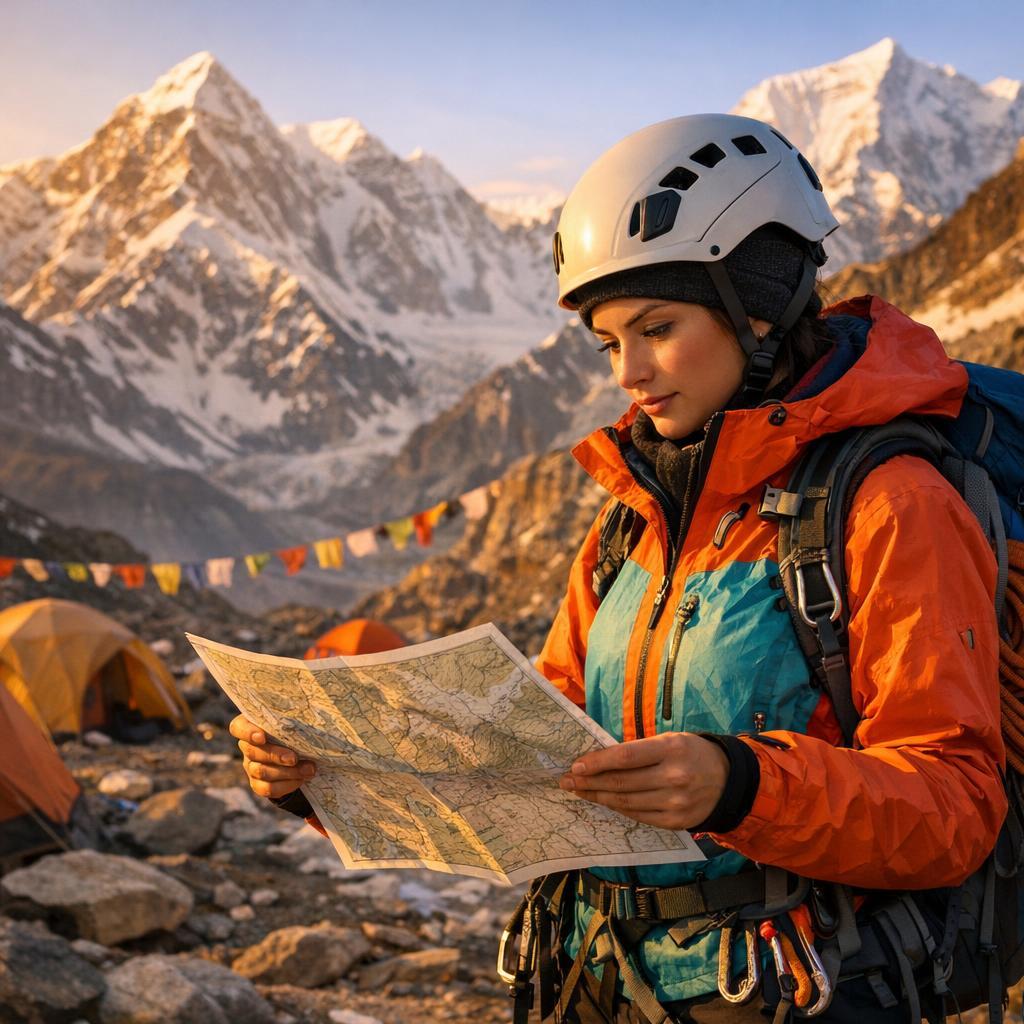
Stricter Everest Climbing Rules in Nepal: Prior 7,000m Summit Now Mandatory
Mount Everest climbers will face more stringent requirements from 2026 onwards. This follows the passage of the Integrated Tourism Bill by Nepal’s National Assembly, which introduces sweeping reforms for mountaineering safety and environmental protection on the world’s highest peak.
The landmark legislation, set to be ratified after Nepal’s March 2026 elections with a three-month grace period, mandates that all Everest aspirants must have previously summited a mountain above 7,000 meters within Nepal to be eligible for an Everest permit. With a choice of 72 peaks in this elevation range, the new rule is designed to ensure climbers possess sufficient high-altitude experience.
Additional prerequisites include:
- Mandatory medical certificates from certified hospitals for all expedition members
- Climbers must bring back eight kilograms of solid waste from their climb
- A non-refundable $4,000 deposit, which will be directed to the Environment Protection and Mountaineers’ Welfare Fund
This legislation addresses the escalating concerns about overcrowding, environmental damage, and safety issues on Everest. Recent seasons have witnessed record permit numbers, leading to perilous queues near the summit. By enforcing documented climbing experience, health certifications, and environmental responsibility, Nepal aims to usher in “a cleaner, safer, and more sustainable climbing era” from the 2026 climbing season onwards.
The move is anticipated to distribute climbers more evenly across Nepal’s numerous Himalayan peaks. It is also expected to stimulate local economies through permits for 7,000-meter expeditions, which are priced between $500 and $800 in the spring season.
Source: Tourism Review