

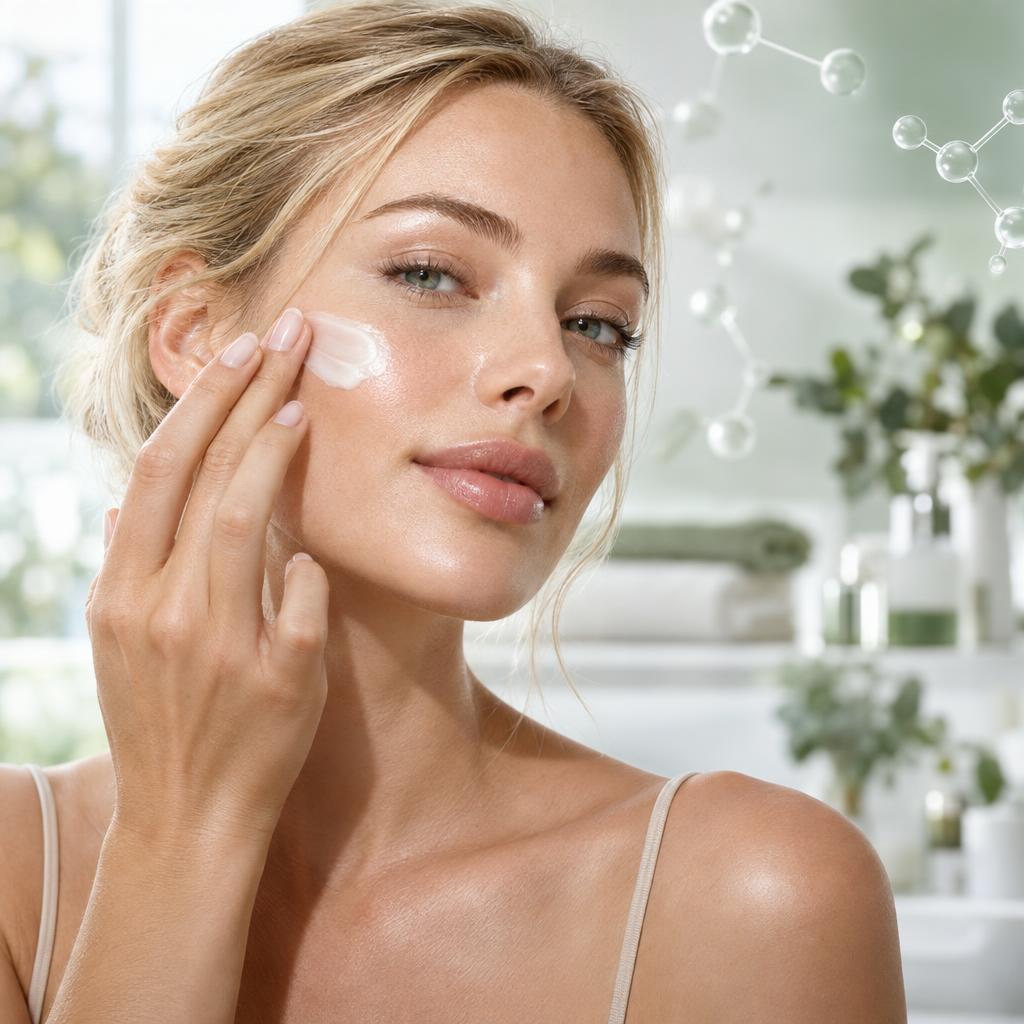
Skin Science Shifts: New Research Targets Cellular Health Over Wrinkles
Forget surface-level solutions—the future of skincare may be going cellular. A new feature published by Newsweek highlights how skin science is shifting away from wrinkle-chasing toward skin longevity: prioritizing the resilience, function, and long-term health of skin, not just its appearance.
At the heart of the emerging research is urolithin A, a postbiotic naturally produced by the gut from foods such as pomegranates and walnuts. In laboratory tests, urolithin A increased mitochondrial activity in human skin cells—essentially energizing the cells’ internal power plants.
In a clinical trial sponsored by skincare company Amazentis, a cream containing urolithin A modestly reduced wrinkle depth around the eyes after eight weeks of daily use.
Experts, however, urge caution. Dr. Riaz Agha, a consultant plastic and reconstructive surgeon at Harley Clinic Group, noted that while cosmetic benefits are plausible, the findings do not establish that the cream can slow skin-cell aging or eliminate so-called “zombie” cells. These senescent cells stop dividing but remain in tissue, where they can promote inflammation.
Alongside this research, dermatologists are championing skin streaming: a simplified daily routine that uses just a gentle cleanser, a fragrance-free moisturizer, and sunscreen. The aim is to protect the skin barrier without overloading it. For long-term skin health, experts agree that less can be more.
Source: Newsweek — “New Skin Science Focuses Less on Wrinkles and More on Health” (November 28, 2026)