

Nestlé Leverages AI to Unveil Beauty-from-Within Products for Ozempic Users
Nestlé, the world’s largest food and beverage company, is swiftly shifting its innovation pipeline to cater to the burgeoning market of GLP-1 weight-loss drug users. Notably, beauty is a significant part of its strategy.
Nestlé’s Chief Technology Officer, Stefan Palzer, disclosed that the company is utilizing artificial intelligence. This includes an in-house platform named Food Genie, which is employed to analyze clinical research, simulate consumer behavior, and pinpoint nutrient combinations that address the physical side effects of drugs like Ozempic, Wegovy, Mounjaro, and Zepbound. These side effects encompass “Ozempic face” (sagging skin and increased wrinkles due to rapid fat loss), muscle wasting, hair thinning, and brittle nails.
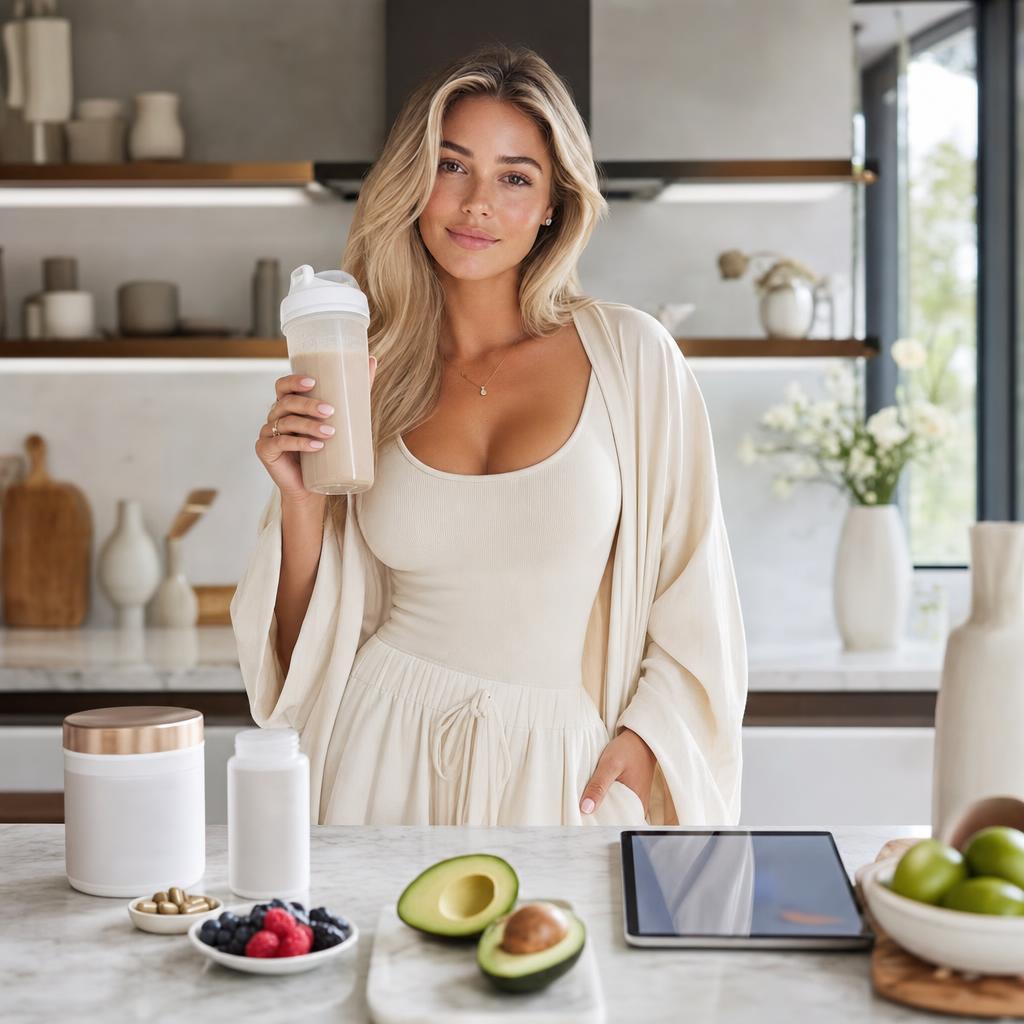
The Vital Proteins brand of Nestlé has already started infusing collagen protein into products specifically aimed at skin, hair, and nail health. Furthermore, the company has introduced the Boost Advanced Nutrition Shake in the US. This shake, containing 35g of protein, is designed to assist GLP-1 users in preserving lean muscle mass. A higher-protein version of its Milo malt drink, dubbed Milo PRO High Protein, has also been launched in Asia and Australia.
Palzer also unveiled that Nestlé has patented proprietary ingredient combinations intended to curb rebound hunger when patients cease GLP-1 treatment. This is a significant concern in long-term weight management. The beauty and wellness industry is keenly observing, as the demand for ingestible beauty products in line with weight-loss treatment is projected to skyrocket globally.
Source: Global Cosmetics News – August 2026