

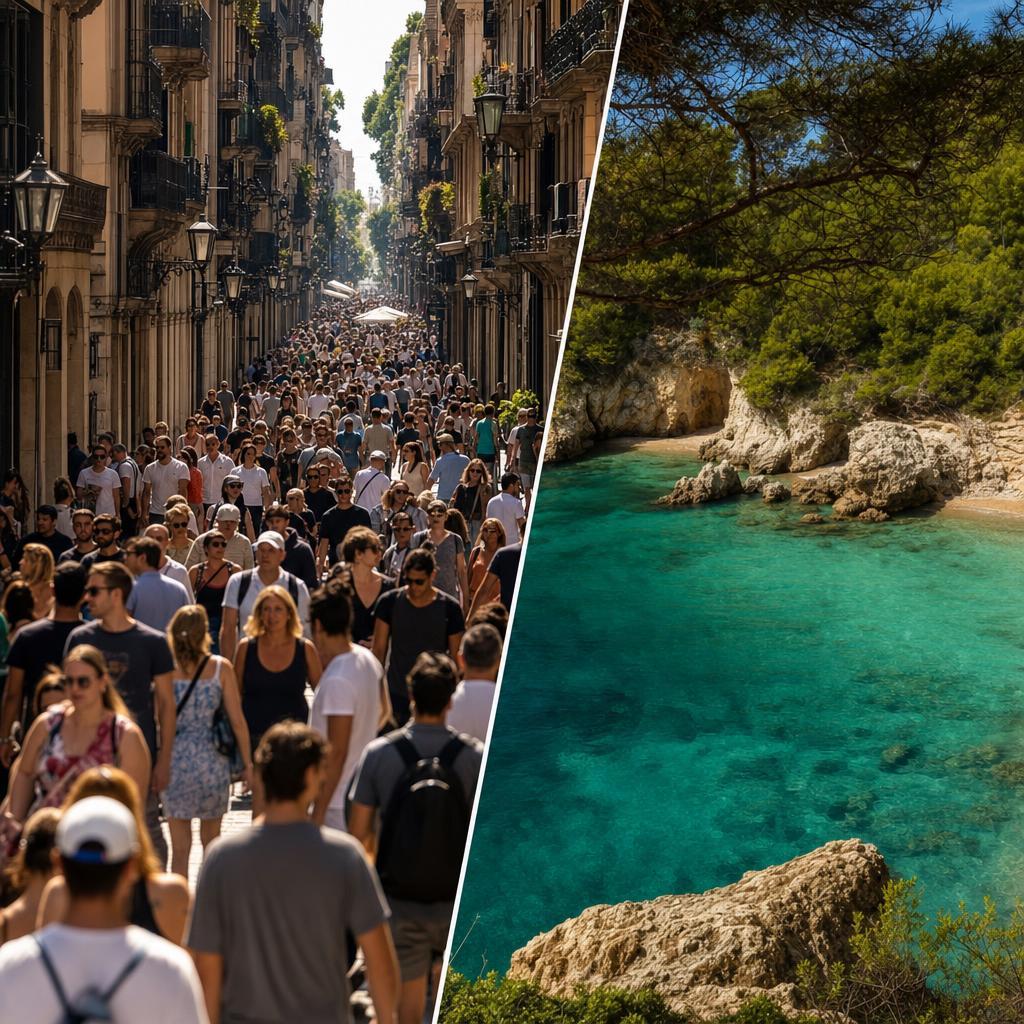
Spain Leads 2026 Overtourism Crisis as Global Nations Intensify Countermeasures
The global travel boom has officially outpaced the planet’s capacity to host it. In 2026, Spain has emerged as the world’s most severe overtourism hotspot, surpassing France, the Netherlands, Greece, Italy, Japan, and India in the scale of its tourism-driven crisis. Governments worldwide are now fighting back with aggressive new regulations.
Driven by affordable commercial aviation, unregulated short-term rental platforms, and social media-fueled “bucket list” travel, major destinations are under unprecedented pressure. Cities like Barcelona and regions such as the Balearic and Canary Islands are witnessing explosive growth in holiday rental platforms, disrupting local housing markets and pricing long-term residents out of their own neighborhoods.
In response, governments across Spain, Italy, Greece, Japan, Mexico, and the Netherlands are deploying sweeping countermeasures. These include outright short-term rental bans, mandatory day-tripper entry fees, pedestrian quotas, and heavy eco-taxes. The global travel landscape is rapidly transitioning into a highly regulated, “pay-to-play” model. Access to the world’s most desirable destinations now requires reservations months in advance or hefty tax payments.
Industry experts warn that the era of frictionless, open-ended mass travel is drawing to a close. The emerging consensus across international tourism boards emphasizes a shift toward regenerative travel. In this model, visitor spending directly funds infrastructure repair, environmental conservation, and local housing subsidies. Travelers are urged to research secondary destinations and book responsibly.