

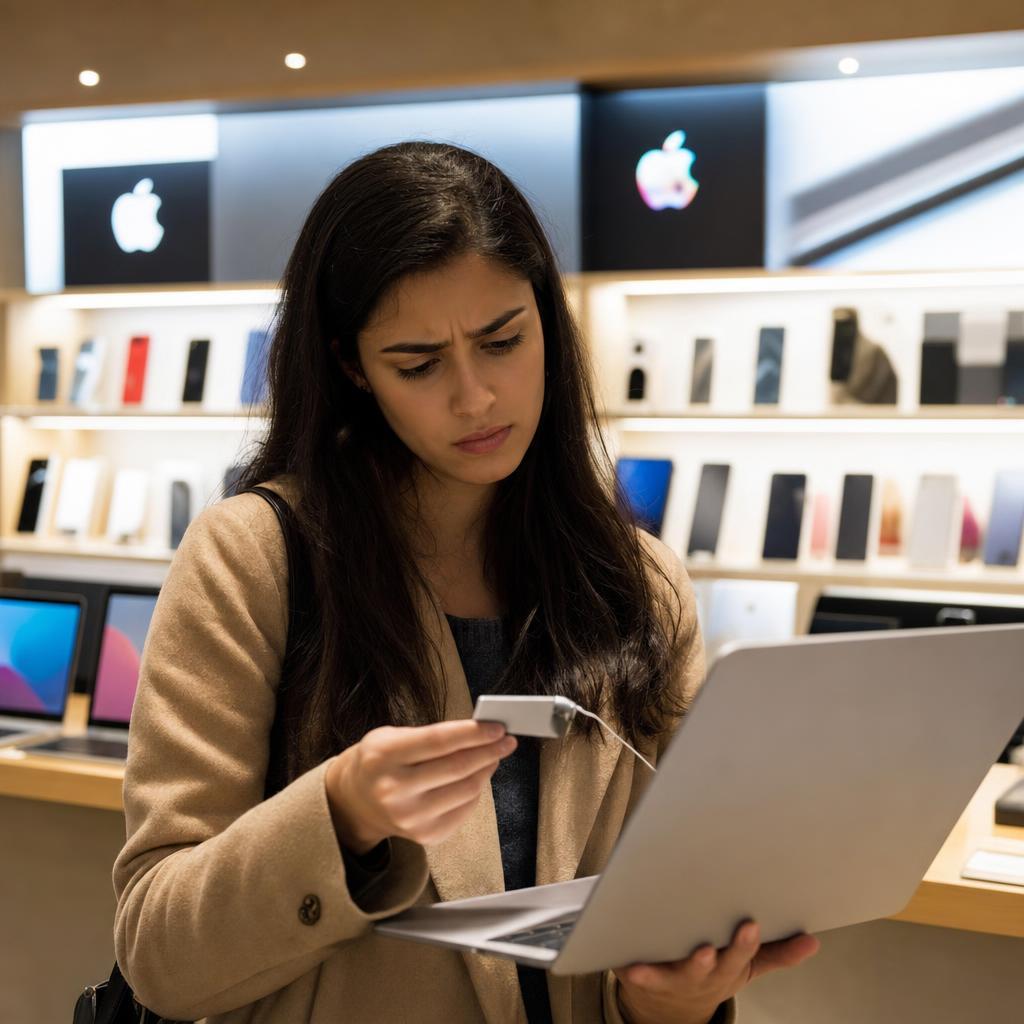
Artificial Intelligence Surge Sparks Memory Chip Crisis, Escalating Prices of Phones & Laptops
The escalating global race in artificial intelligence (AI) is impacting consumers directly in their wallets. A deepening memory chip shortage, fuelled by relentless demand from AI data centers, is now driving up the prices of everyday electronics. This includes products ranging from smartphones to laptops, with major brands like Apple already implementing price hikes.
Apple has announced price increases on its MacBook and iPad lines, stating it “could no longer shield customers” from the skyrocketing memory and storage chip costs. The company’s new MacBook Neo will now cost $150 more than its previous price. Apple CEO Tim Cook acknowledged the severity of the situation, saying: “We’ve been trying to shield our customers from the increases, but the situation” has become untenable. Analysts at The Wall Street Journal estimate the upcoming iPhone 18 Pro could carry a price tag of $1,299 — a $200 jump from the iPhone 17 Pro.
The underlying issue is a fierce competition for memory supply. The world’s three leading chipmakers — Samsung Electronics, SK Hynix, and Micron Technology — have shifted their production capacity towards high-bandwidth memory (HBM) chips. These chips are in high demand by AI hyperscalers like Microsoft, Google, Meta, and Amazon, leaving consumer electronics in a supply crunch.
According to Gartner senior analyst Ranjit Atwal, soaring memory costs are anticipated to decrease global PC shipments by 10.4% and smartphone shipments by 8.4% in 2026. Furthermore, PC prices are projected to rise by 17% and smartphone prices by 13% compared to 2025 levels. Major PC brands including Lenovo, Dell, HP, Acer, and ASUS have already alerted clients of 15–20% price hikes in the near future. Unfortunately, relief is not expected until the end of 2027 at the earliest.
Source: CNBC — Rise in Memory Chip Costs Puts Pressure on Retailers of Laptops and Smartphones