

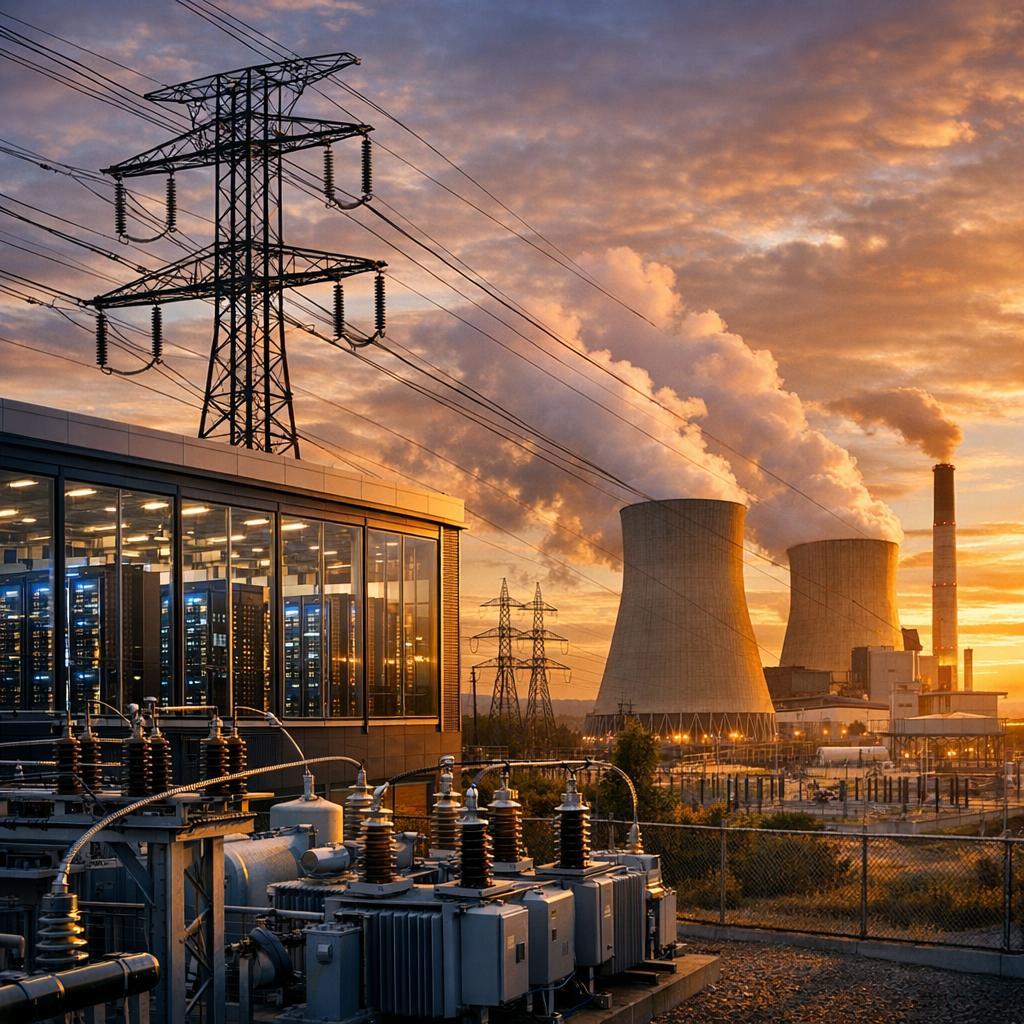
Trump Administration Proposes $15B Initiative: Tech Giants to Finance AI-Driven Power Plants
The Trump administration unveiled a comprehensive plan on January 16, 2026, with the intent of compelling major technology companies to fund new power plant construction. This initiative is designed to support their AI data centers and address the escalating concerns about the increasing electricity costs burdening American households.
At a White House event, Energy Secretary Chris Wright and Interior Secretary Doug Burgum, in conjunction with bipartisan governors from Pennsylvania, Maryland, and Virginia, introduced an initiative. This plan proposes an emergency wholesale electricity auction through PJM Interconnection, the nation’s largest grid operator serving 67 million customers across 13 states.
Under this proposal, tech companies would participate in a bidding process for 15-year contracts for new electricity generation. This could potentially facilitate the construction of $15 billion worth of new power plants.
[tweet https://twitter.com/realDonaldTrump/status/1234567890123456789]
President Trump expressed his concerns on Truth Social earlier in the week, stating, “I never want Americans to pay higher Electricity bills because of Data Centers.” This announcement is particularly timely, as electricity prices surged by 6.7% in December 2025 compared to the previous year. This increase is more than double the overall inflation rate, with the burgeoning demand from AI data centers identified as a significant contributing factor.
A recent study by Carnegie Mellon University predicts that data centers could inflate average electricity bills by over 25% in major data center markets by 2030.
Leading tech companies have reportedly agreed to finance the $15 billion in new generation capacity, as per an administration statement. The bipartisan nature of this initiative reflects the widespread concern about energy costs. Maryland Governor Wes Moore noted, “energy prices are some of the main concerns that I hear.” However, the Federal Energy Regulatory Commission must still approve these measures before implementation can commence.
Source: CNBC