

Tonga Volcano’s Unexpected Climate Impact: A Potential Inspiration for Climate Tech
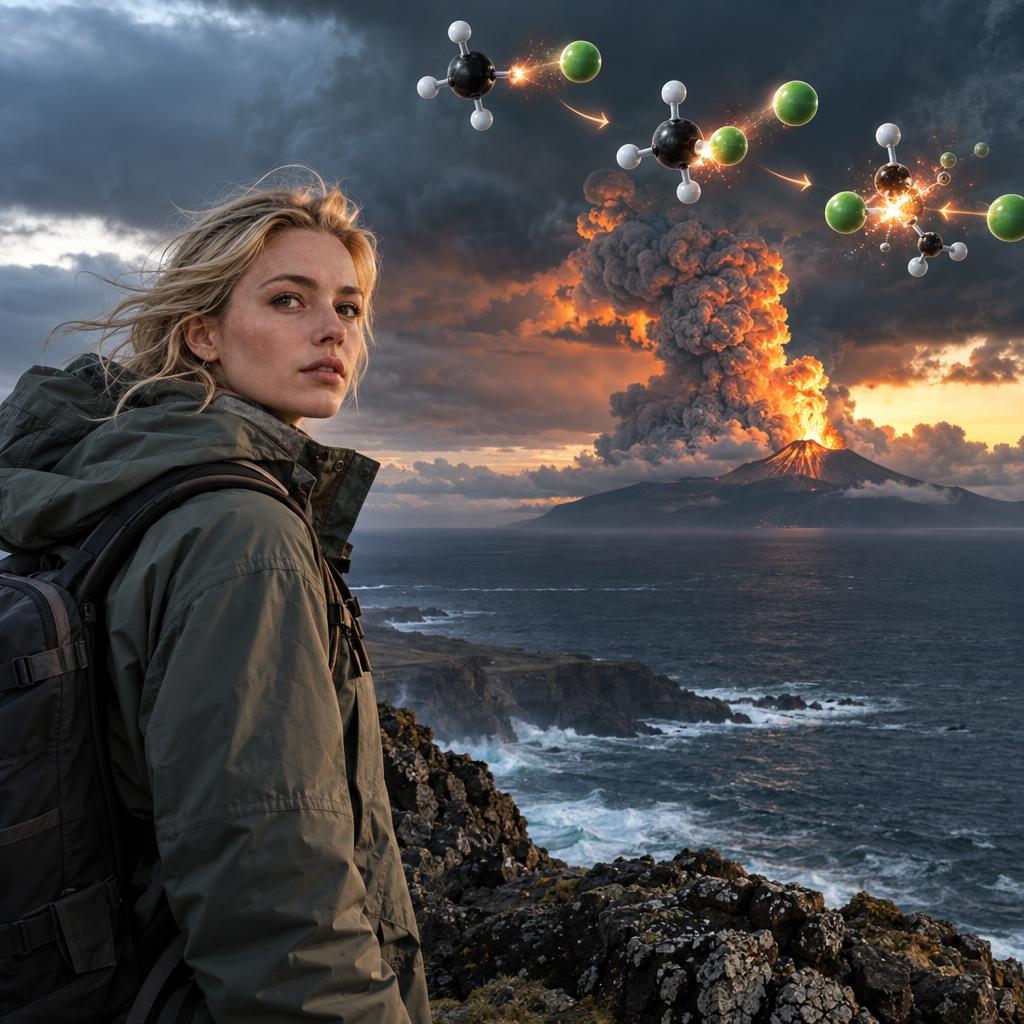
In a surprising turn of events, the catastrophic 2022 eruption of the Hunga Tonga–Hunga Ha’apai submarine volcano in the South Pacific had an unexpected impact on the environment: it contributed to the destruction of some of the very methane it released into the atmosphere. This unexpected phenomenon could potentially inspire a new generation of climate change mitigation technologies.
A study published in Nature Communications and reported by ScienceDaily on September 15, 2026, reveals that satellites detected unusually high concentrations of formaldehyde in the volcanic plume following the January 15, 2022 eruption. This is a clear chemical indication that methane was being actively broken down. Researchers believe that a combination of volcanic ash, salty seawater, and sunlight within the stratospheric plume generated reactive chlorine particles that chemically destroyed the methane for over a week as the cloud drifted toward South America.
Methane is the planet’s second most potent greenhouse gas, trapping approximately 80 times more heat than CO₂ over a 20-year period. This discovery could significantly alter current estimates of methane pollution and provide a blueprint for deliberate atmospheric methane removal — a burgeoning field in climate science. However, scientists warn that the methane destroyed was only a fraction of the total released, and scaling any such method safely poses a significant challenge.
Source: ScienceDaily – Scientists stunned as volcano cloud starts destroying methane