

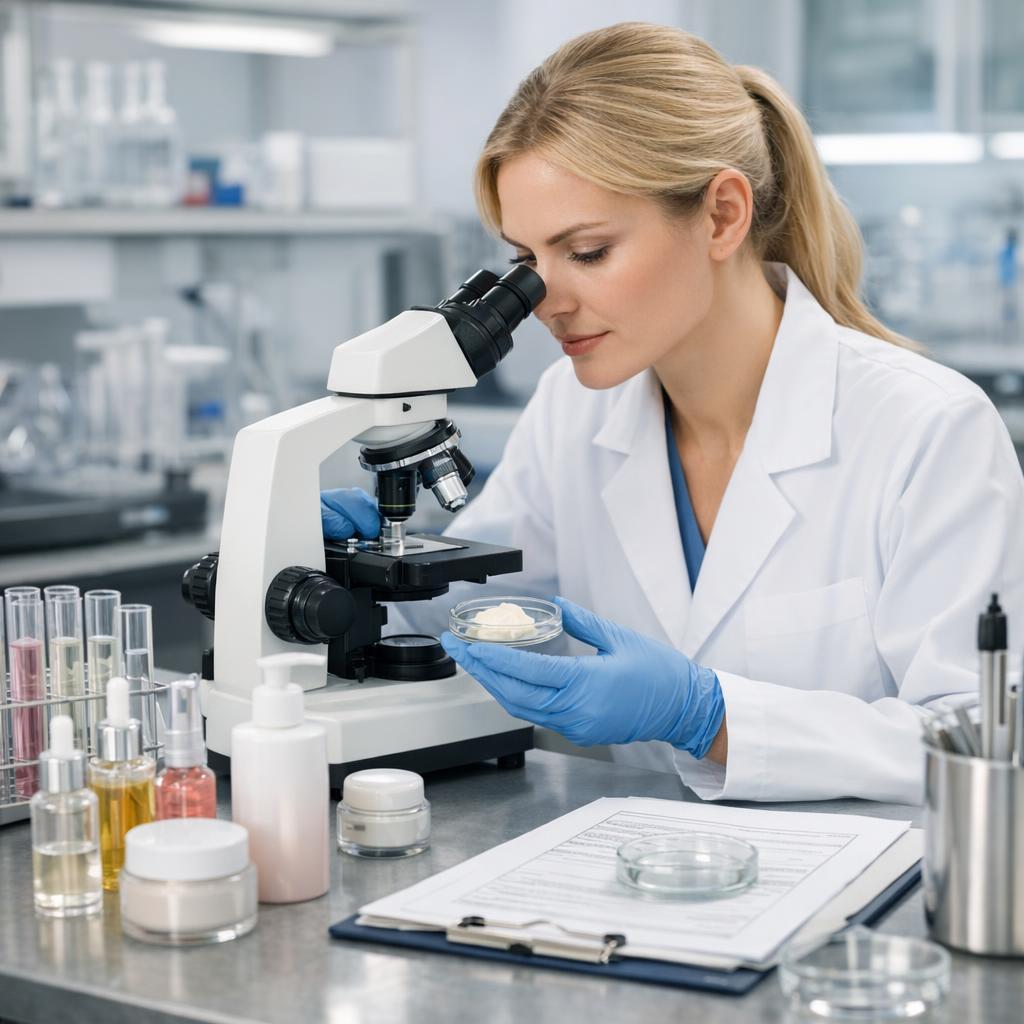
2026: A Turning Point for Safety and Environmental Responsibility in the Beauty Industry
The beauty industry is facing unprecedented scrutiny as 2026 emerges as a pivotal year for consumer safety and environmental accountability. From contaminated toothpaste and mislabeled deodorants to clarity in recyclable cosmetic claims, regulators worldwide are tightening oversight and demanding transparency.
The FDA is planning to target specific ingredients including PFAS, formaldehyde, and talc. In December 2025, the FDA released a comprehensive report on PFAS use in beauty products, highlighting associated risks and signaling potential restrictions in 2026. However, the agency has missed key deadlines:
- The formaldehyde ban for hair straighteners was anticipated by December 31, 2025
- The plan to finalize testing standards for talc-containing cosmetics was projected for March 2026 but was withdrawn in November 2025
Recent recalls underscore these safety concerns. In Canada, Health Canada issued a recall for “Shades of Grey” soap by Lake of the Woods Sunrise Soap Co. due to excessive levels of methyl eugenol, a potential carcinogen. Additionally, Axe body sprays and other aerosol products were recalled for missing mandatory hazard labeling.
The introduction of the Packaging and Claims Knowledge (PACK) Act of 2025 aims to standardize sustainability claims across the U.S., seeking to eliminate misleading labels like “recyclable” or “compostable” unless backed by scientific evidence and third-party certifications. From sustainable packaging to rigorous product testing, the focus is shifting toward accountability and trust in the beauty industry.
Source: Cosmetics & Toiletries